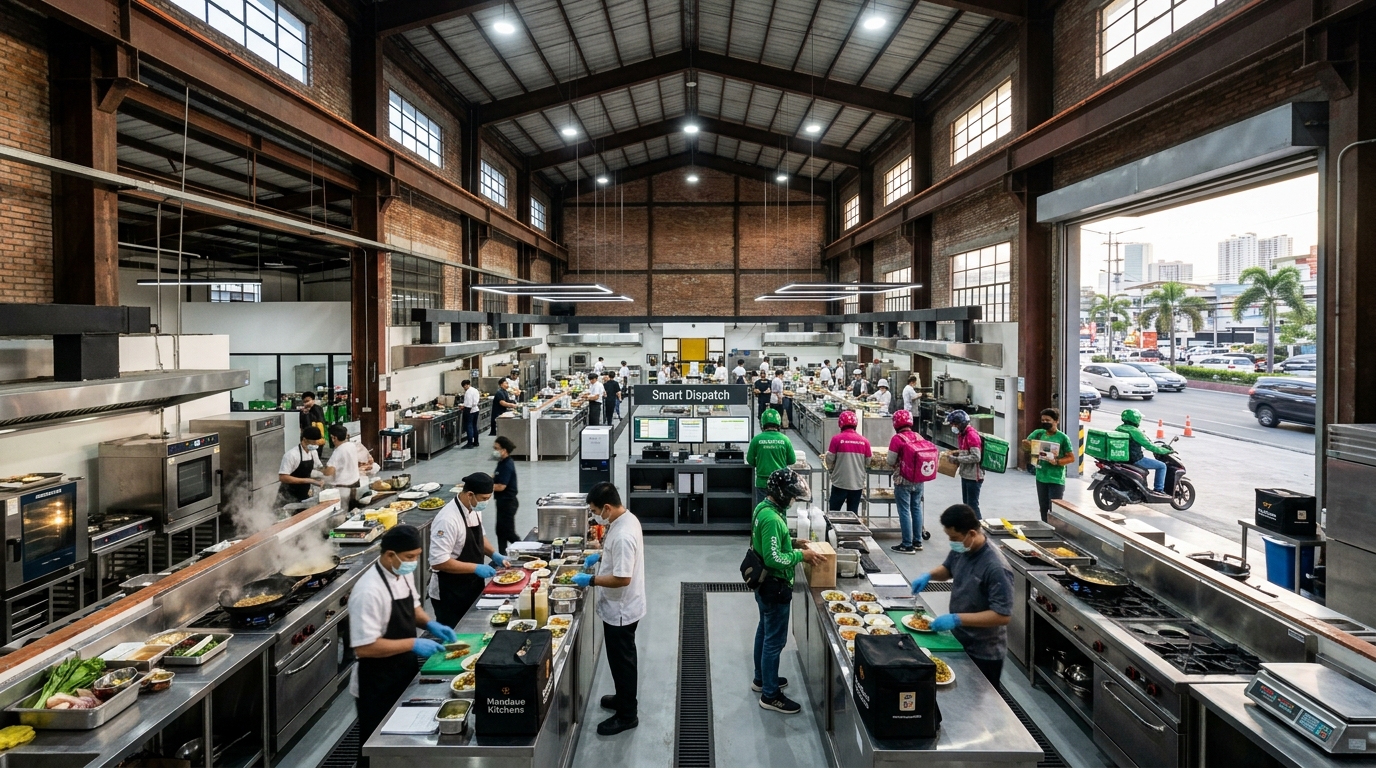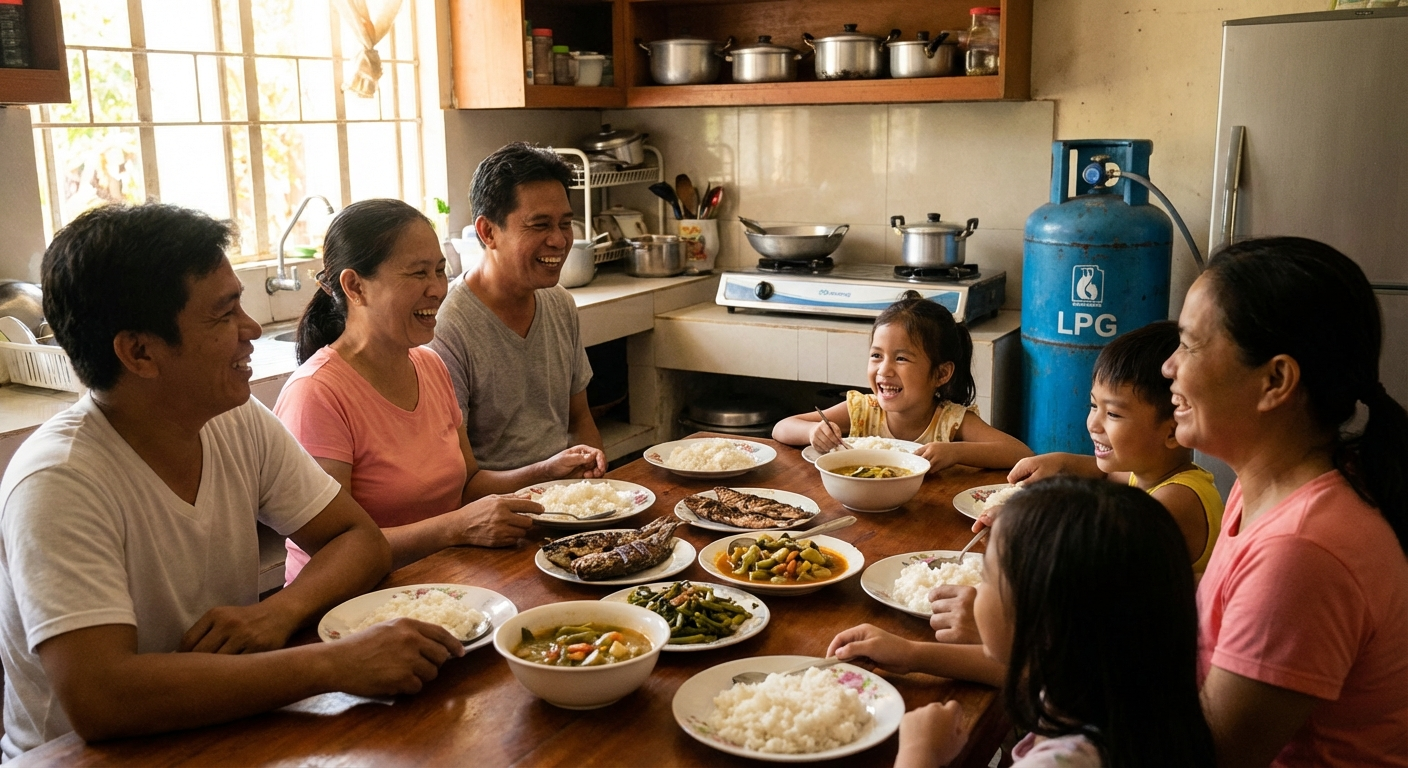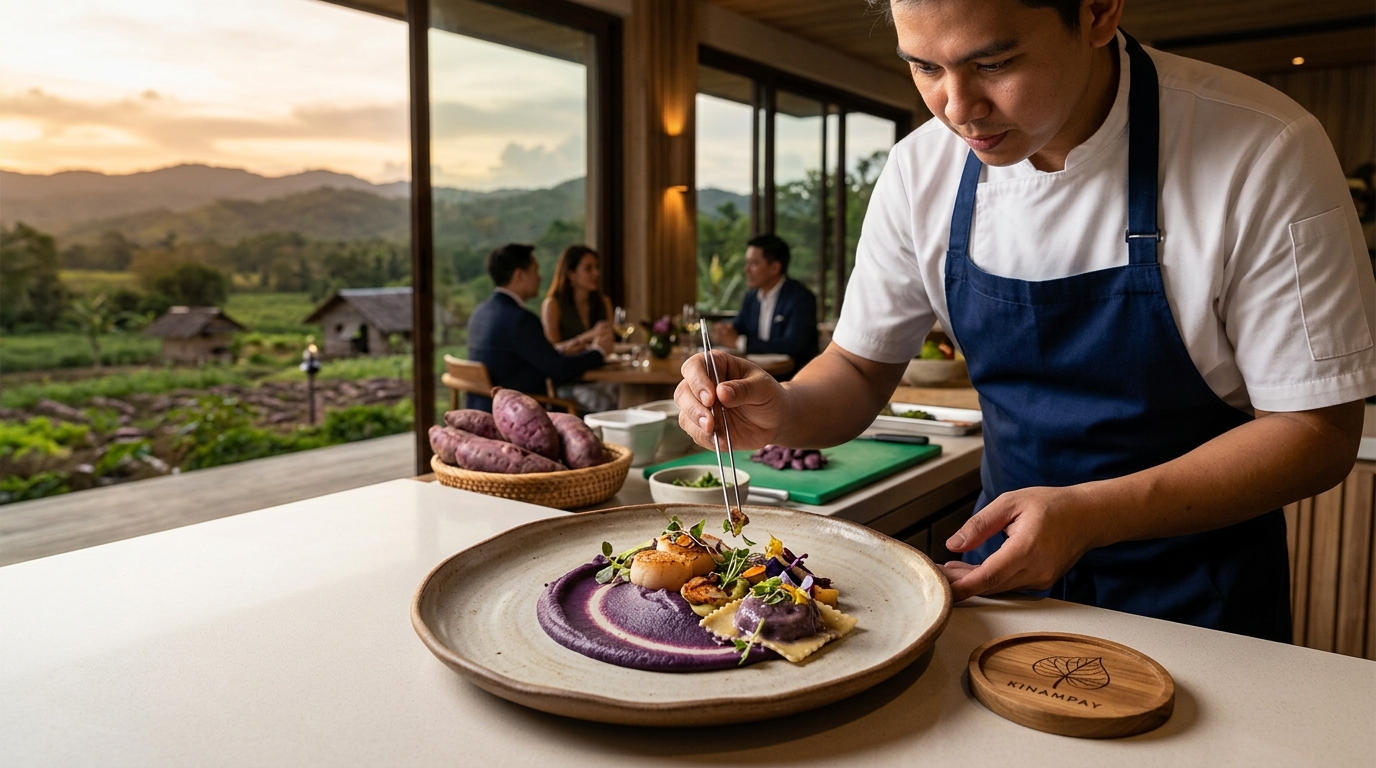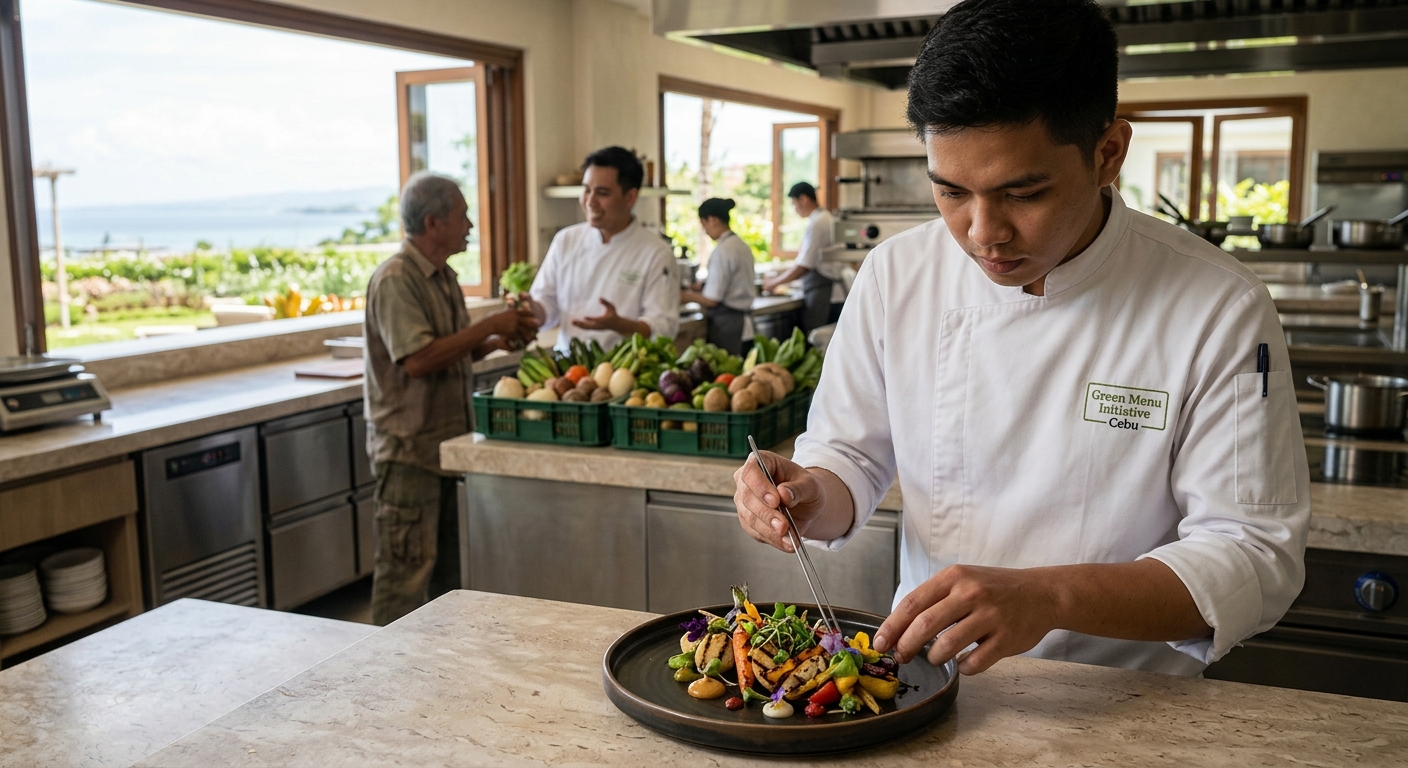
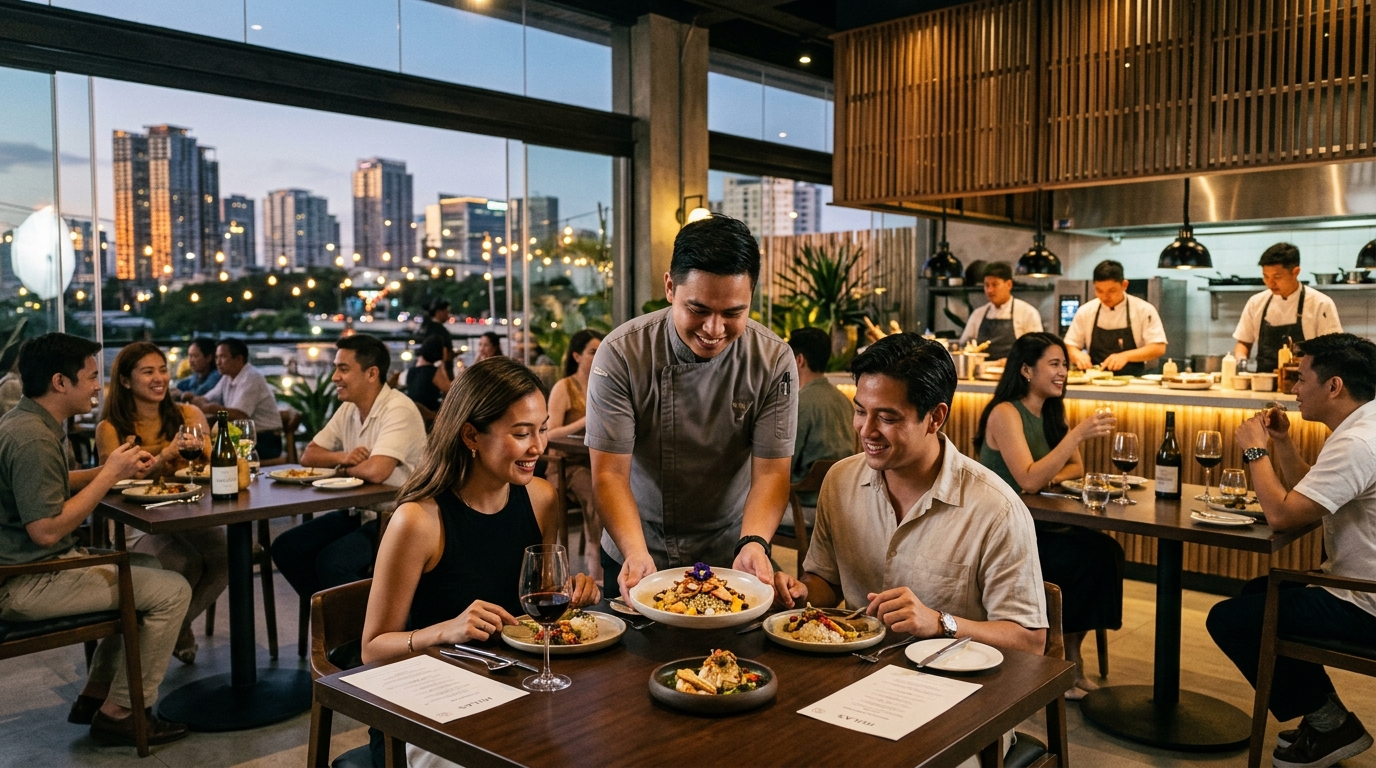
April 12, 2026 — Cebu’s dining scene has officially been elevated to the international stage. Following the recent launch of the MICHELIN Guide Philippines 2026, the province has seen a surge in "gastronomy tourism," with international food enthusiasts flocking to the island to experience its unique blend of heritage and modern innovation.
The primary narrative for Cebu this April is the "Michelin Momentum." The inclusion of Cebu City and its environs in the global guide has validated years of hard work by local chefs who have championed Modern Filipino Cuisine. Inspectors noted that more than 40% of the top kitchens are now led by chefs under the age of 38, signaling a youthful revolution in the island's flavors. This "new guard" is prioritizing locavore values, working directly with Visayan fishermen and farmers to source ingredients like heirloom grains and native seafood. The result is a dining experience that is both sophisticated and deeply rooted in the province’s authentic spirit.
Michelin Recognition
This global recognition is acting as a major catalyst for the local tourism economy. Travel agencies are now reporting a significant rise in "Culinary Pilgrimages," where visitors spend multiple days in Cebu specifically to dine at guide-recommended spots. To support this influx, hotels in Cebu IT Park and the SRP corridor are partnering with top chefs to host exclusive "four-hands" dinners and pop-up events. This synergy between the hospitality and restaurant sectors is creating a more resilient tourism model that doesn't rely solely on beaches. As a result, the average length of stay for international travelers in the city has increased by nearly two days.
Looking Forward
The guide's presence is encouraging a "culture of excellence" across all levels of the industry, from fine dining to the street-food stalls recognized in the Bib Gourmand category. Restaurant owners are investing more in staff training and sustainable kitchen practices to maintain their standing. This elevates the overall quality of service in Cebu, making it even more competitive against other Southeast Asian food capitals like Bangkok and Singapore. For the 2026 investor, the restaurant sector is now a high-growth asset class, fueled by a young consumer base with significant purchasing power. Cebu is no longer just a transit point to the islands; it is a destination in its own right.